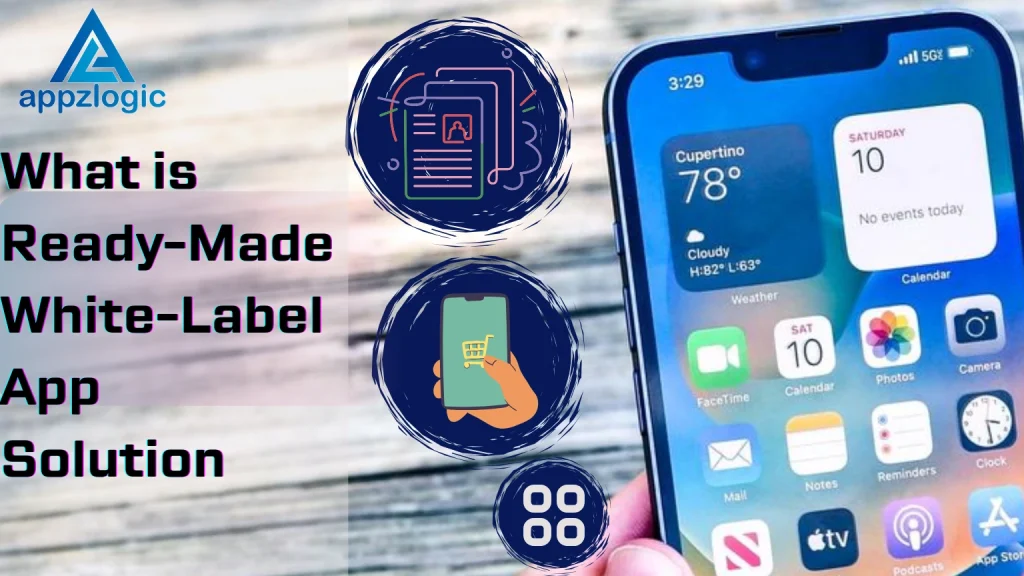
What is Ready Made White Label App Solution
Ready-Made Apps, also known as White-Label App Solution are pre-built software applications crafted for specific purposes or industries. These apps come with ready-to-use features, functionalities, and interfaces, which make them easy to customize. They cater to everyday business needs such as e-commerce, social media, or productivity tools. Ready-Made Apps offer a convenient solution for individuals or businesses seeking to save time and resources by leveraging existing software frameworks.
Benefits of Ready-made Apps for Businesses
Ready-made apps significantly help businesses to streamline operations, enhance customer engagement, and boost efficiency. Here are some statistics highlighting their benefits:
- Cost-Effectiveness: According to a survey by Clutch, 59% of small businesses cite cost savings as the primary reason for adopting ready-made apps. 45% of small businesses reported saving more than $10,000 annually using ready-made apps.
- Time Savings: A study by Salesforce found that businesses adopting ready-made apps experienced a 20% reduction in time spent on administrative tasks. In a survey by QuickBase, 66% of respondents saved at least 240 hours per year by utilizing ready-made apps for various business functions.
- Increased Productivity: 64% of businesses reported improved productivity after implementing ready-made apps. As per a study by Canvas. 78% of businesses reported increased employee productivity by adopting ready-made apps, according to a report by Capterra.
- Enhanced Customer Engagement: Capterra reports that 62% of businesses experienced improved customer engagement after implementing ready-made apps. Mobile app downloads are projected to reach 258.2 billion in 2022, signalling a significant opportunity for businesses to engage with customers through mobile apps.
- Access to Advanced Features: Ready-made apps often come with various advanced features and functionalities, aiding businesses in streamlining processes and improving user experience. The average smartphone user has over 80 apps installed on their device, indicating high demand and usage of apps with advanced features, as per a study by App Annie.
- Market Reach: Ready-Made Apps enable businesses to expand their market reach by targeting mobile users across various platforms. Smartphone users worldwide are projected to reach 3.8 billion by 2022, providing businesses with a vast potential customer base, according to eMarketer.
What Is White Label Mobile Apps?
A White Label Mobile App is a software product developed by a third-party provider that can be rebranded and customized for resale or use by different businesses. The core of the app remains the same, but the design elements, such as the logo, colours, and UI, are altered to match the buyer’s branding.
For example, a white label app provider may create a fitness app. This app is then purchased by multiple companies, each of which can customize it to represent their brand, add or remove features as needed, and deploy it to their customers without having to invest in app development from scratch.
Why Do Businesses Choose White Label Mobile Apps?
Businesses opt for white label mobile app development for several reasons:
- Time and Cost Efficiency: Developing a mobile app from scratch is both time-consuming and expensive. White-label solutions enable companies to bypass the complex development phase, offering a fully functional app at a fraction of the cost and time it would take to build one in-house.
- Customization without Complexity: With a white-label solution, businesses can customize the app’s look and feel to align with their branding without worrying about the underlying technology.
- Quick Time-to-Market: Since the app is already developed, businesses can go to market faster, enabling them to meet customer demands or capitalize on new trends more quickly.
Core Features of White Label Mobile Apps
1. Customizable Branding
The most significant benefit of White Label Mobile Apps is the ability to rebrand the app with your business’s identity. This includes:
- Logo and color scheme: You can add your logo and change the color palette to match your branding.
- Thematic Design: The interface can be adjusted to reflect the tone and personality of your business, whether modern, professional or fun.
- Customizable Content: Depending on the app’s purpose, you can modify the content to suit your target audience.
2. Pre-Built Functionality
White-label apps come preloaded with essential features that are often crucial for businesses in specific industries, For example:
- Mobile Payment Integration: Many White Label Mobile Apps include integrated payment gateways, enabling in-app purchases or payments.
- Push Notifications: A robust White Label Mobile Marketing Platform comes with built-in support for push notifications, helping businesses engage users.
- Multi-Platform Compatibility: Whether you’re using white label mobile apps for Android or white label mobile apps for apple (IOS), these apps are often designed for cross-platform functionality.
3. Scalability
Most White Label Mobile Apps are scalable, that means they can grow as your business does. Whether you’re adding new features or expanding your user base, the app can evolve with your needs without requiring a complete redesign.
White Label Mobile Apps Across Industries
White-label Apps are not just a one-size-fits-all solution. Different industries leverage white label app stores, white label mobile marketing, and other white-label technologies to meet specific needs. Here are some industries where white-label apps are thriving:
1. Telecom and Mobile Networks
- White Label Mobile Phone Networks: Telecom providers can offer custom-branded mobile services under a white label mobile phone model. This is especially valuable for MVNOs (Mobile Virtual Network Operators) that don’t own their own infrastructure but want to sell mobile services under their brand.
- Private Label Cell Phone Service: Companies can offer custom mobile plans and features to their customers without building the backend network from scratch, thanks to private label pay-by-app services.
2. E-Commerce and Retail
White-label apps provide a seamless way for businesses to create e-commerce platforms. With white label mobile apps, retailers can build custom-branded shopping experiences with integrated payment systems, secure checkout, and product recommendations. The ability to use a white label mobile app builder software allows businesses to focus more on their marketing and customer acquisition.
3. Media and Entertainment
For businesses in the entertainment sector, White label podcast platforms or white label mobile advertising platforms can enable them to monetize content, engage users, and create a branded user experience for consumers. Similarly, white label download managers help ensure content is delivered efficiently to users.
4. Customer Relationship Management (CRM)
For companies in need of White Label CRM apps, they can use pre-built solutions to manage customer data, track engagement, and improve service. Customization options allow businesses to add their workflows, processes, and branding, helping them deliver a unified customer experience.
5. Marketing and Analytics
A white label mobile marketing platform allows agencies and brands to launch targeted campaigns, track performance, and measure results, all within their own branded system. White-label mobile marketing software comes with pre-configured tools like automated email campaigns, analytics dashboards, and user segmentation tools.
How White Label Apps Can Benefit Your Business?

1. Faster Launches
Building a mobile app from scratch can take anywhere from six months to a year. White Label apps allow businesses to skip months of development and testing, launching their branded app in weeks.
2. Cost Savings
Instead of paying for the entire development process, businesses only need to pay for the customization and deployment. White label app development is typically more affordable than building a bespoke app.
3. Focus on Core Competencies
Instead of diverting resources to app development, companies can focus on their core business activities. With a white label mobile app solution, the heavy lifting is handled by the third-party developer, while the company focuses on marketing, sales, and customer support.
4. Enhanced User Experience
White-label apps are generally well-polished, offering a better user experience (UX) than building an app from scratch, especially for smaller companies with limited development expertise.
What is Personalized White Label Apps?
Personalized white-label apps are customizable software solutions that businesses can brand and tailor to their specific needs. The key advantage of a personalized white-label app is that it reduces development time and costs, enabling businesses to quickly launch a branded app with features and functionalities that align with their goals. Whether for retail, education, or any other sector, these apps provide flexibility in design and usability, helping brands strengthen their identity and customer engagement.
Success Stories of Companies Leveraging White-label App Solutions

- Uber: The popular ride-sharing service, kickstarted its journey using a ready-made app solution. By leveraging an existing app framework, Uber efficiently connected drivers with riders, leading to rapid scaling of operations, significant cost savings, and a broad market reach.
- Instagram: The Photo-Sharing social media platform initially relied on a ready-made app to build its foundation. This approach allowed Instagram to quickly gain popularity and attract millions of users. Eventually, it was acquired by Facebook for a billion dollars, showcasing the success of its ready-made app approach.
- WhatsApp: The Messaging App revolutionizing communication utilized a ready-made app to develop its platform. With instant messaging, voice calls, and multimedia sharing features, WhatsApp quickly expanded its user base globally, ensuring efficient communication and driving its success.
- Shopify: An E-Commerce platform offers businesses a ready-made app to set up and manage online stores. With its user-friendly interface and robust features, Shopify has empowered countless entrepreneurs and businesses to establish their online presence rapidly, contributing to increased efficiency and expanded user market reach.
- Slack: A widely used team collaboration tool, built its communication platform using a ready-made app. With features like channels, direct messaging, and file sharing, Slack has transformed team communication and collaboration, enhancing efficiency and productivity for businesses worldwide.
Just as white-label solutions are transforming various industries, seeCole is driving innovation in the healthcare sector.
Types of Ready-Made Apps Businesses Should Explore
Ready-Made Apps have become a go-to solution for businesses, providing fast and cost-effective ways to meet different needs. Here are a few types of ready-made apps that can make a real difference:
- Dating Apps
These apps create a space for people to connect and build relationships. With features like user profiles, smart matching algorithms, and easy messaging, they make finding potential partners simple and enjoyable.
- Market Research Apps
For businesses looking to understand their audience better, these apps are a game changer. They offer tools for creating surveys, managing projects, and even detecting fraud, making data collection and analysis smooth and efficient. - Travel Apps
Travelers love these apps for simplifying trip planning. From booking flights and hotels to creating itineraries, navigating unfamiliar places, and discovering local hotspots, travel apps make every journey stress-free. - Food Delivery Apps
Hungry? Food delivery apps bring your favourite meals straight to your door. With easy access to menus, an intuitive ordering system, and real-time delivery tracking, they’re a win for both customers and restaurants. - Education Apps
Learning has never been easier. Education apps offer online courses, tutoring, language learning, and other educational tools in a mobile-friendly format, making it possible to learn anytime, anywhere.
These ready-made apps are not just convenient but also, they are powerful tools that can help businesses connect with their audiences, solve problems, and deliver value faster.
Contact Appzlogic for White-label App Development Solutions.
Ready-made apps have proven to be game changers for businesses, offering a cost-effective and efficient solution to their diverse needs.
As businesses continue to embrace digital transformation Meeting customer expectations has become critical than ever. When a customer raises a query, it’s essential that they feel heard, valued, and receive a timely response. Developing Nova Aid An AI-Powered Customer Support Platform can help business to enhance efficiency, improve customer satisfaction, and a support experience that stands out.
Frequently Asked Questions
A third-party company develops the app, and other businesses customize it with their branding and features.
It is cost-effective, fast, and customizable, with professional development included.
Costs vary by complexity and customization, usually in one-time fees or subscriptions.
E-commerce, finance, fitness, education, healthcare, and food delivery use white-label apps.
You can, but customization depends on the app and provider.
Reputable providers prioritize security with encryption and compliance.